ADRIANO ZAGAR · C++, ARDUINO, ESP32, KICAD, SOLIDWORKS
Handheld Embedded Calculator
OBJECTIVE
To design and deliver a fully functional, production-ready handheld consumer electronic device from concept to prototype, successfully integrating custom C++ firmware, hardware, and mechanical enclosure design while optimizing for manufacturing cost and spatial efficiency.
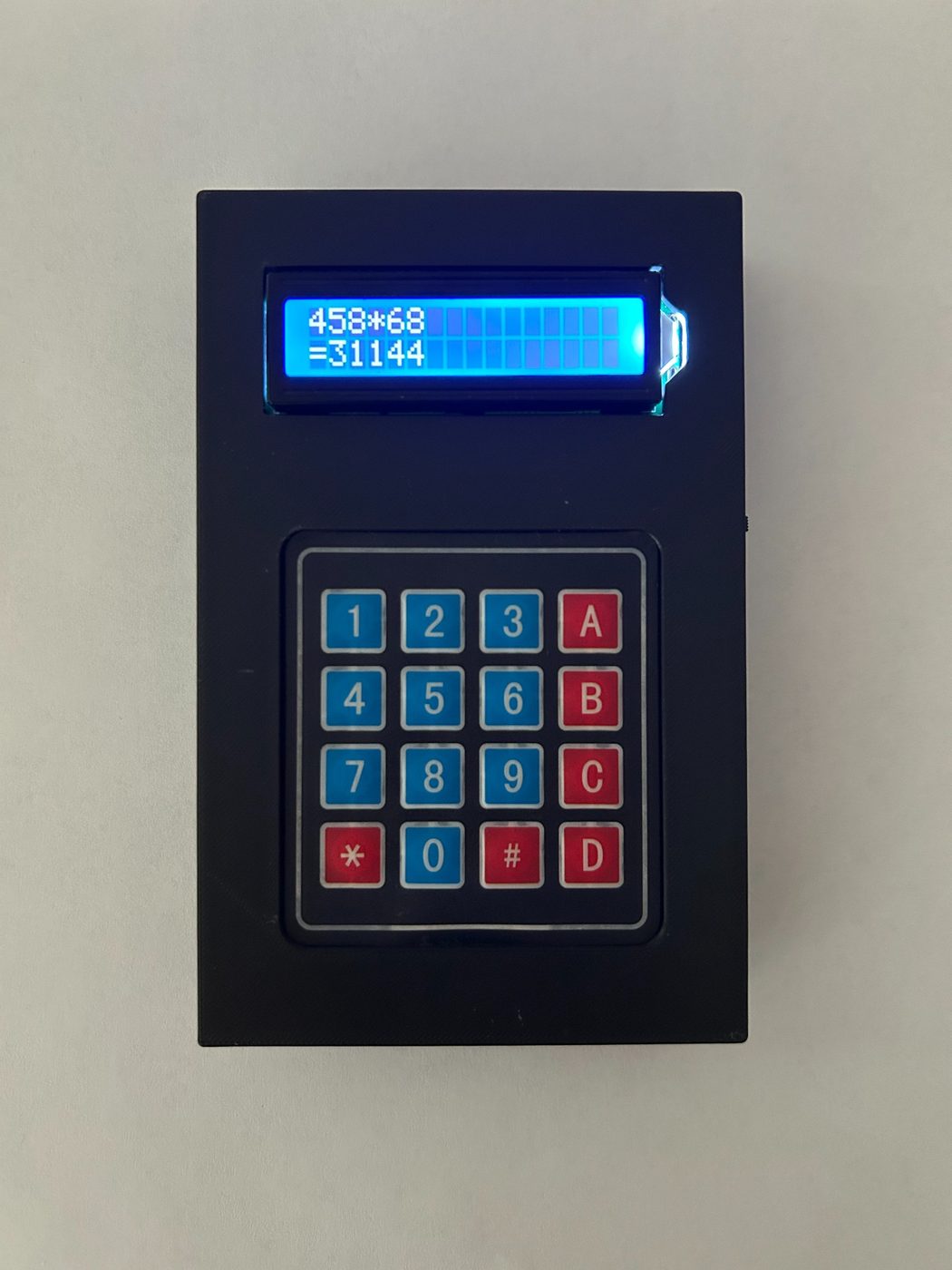
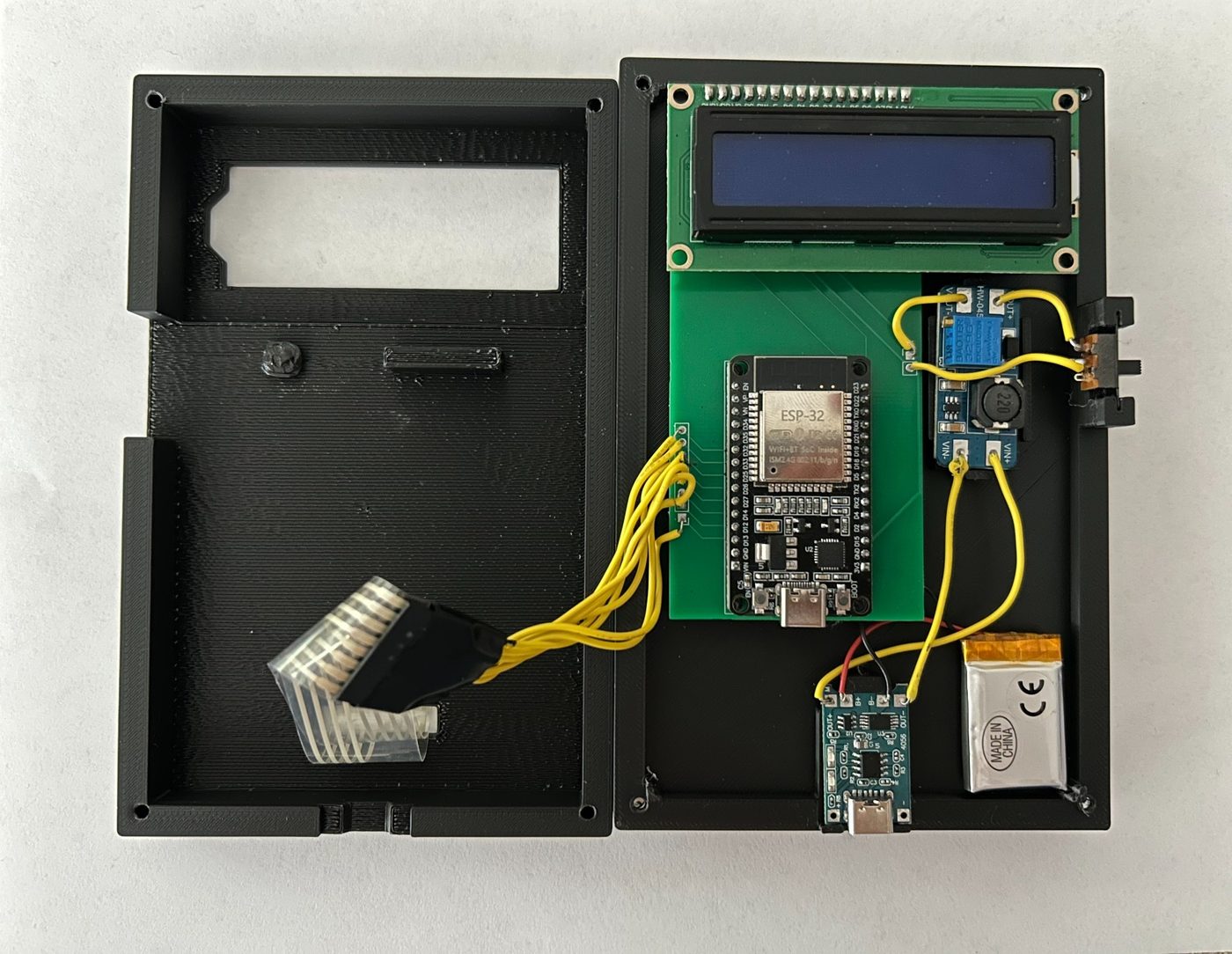
Final Assembled Handheld Calculator
LOG — 01
Development Workflow
- 1
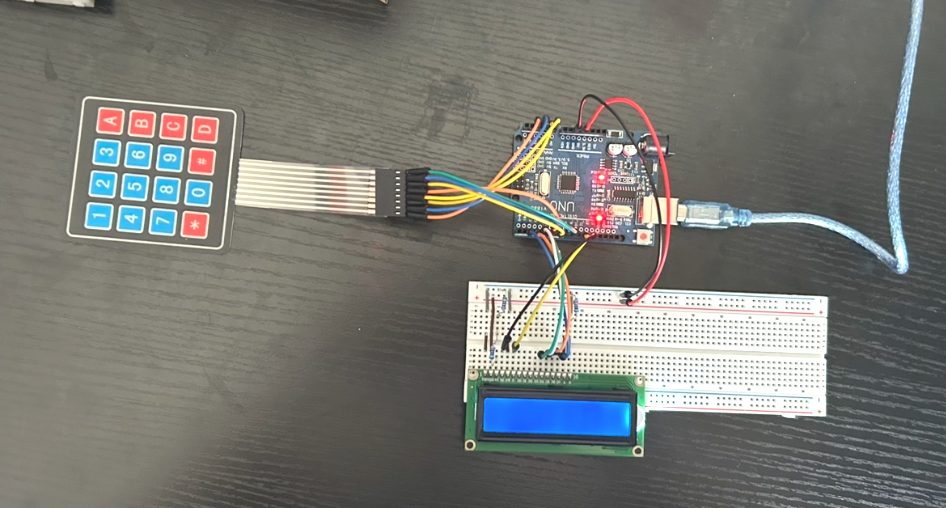
Breadboard Prototype: Validated core computational logic and C++ firmware using an Arduino Uno backend.
- 2
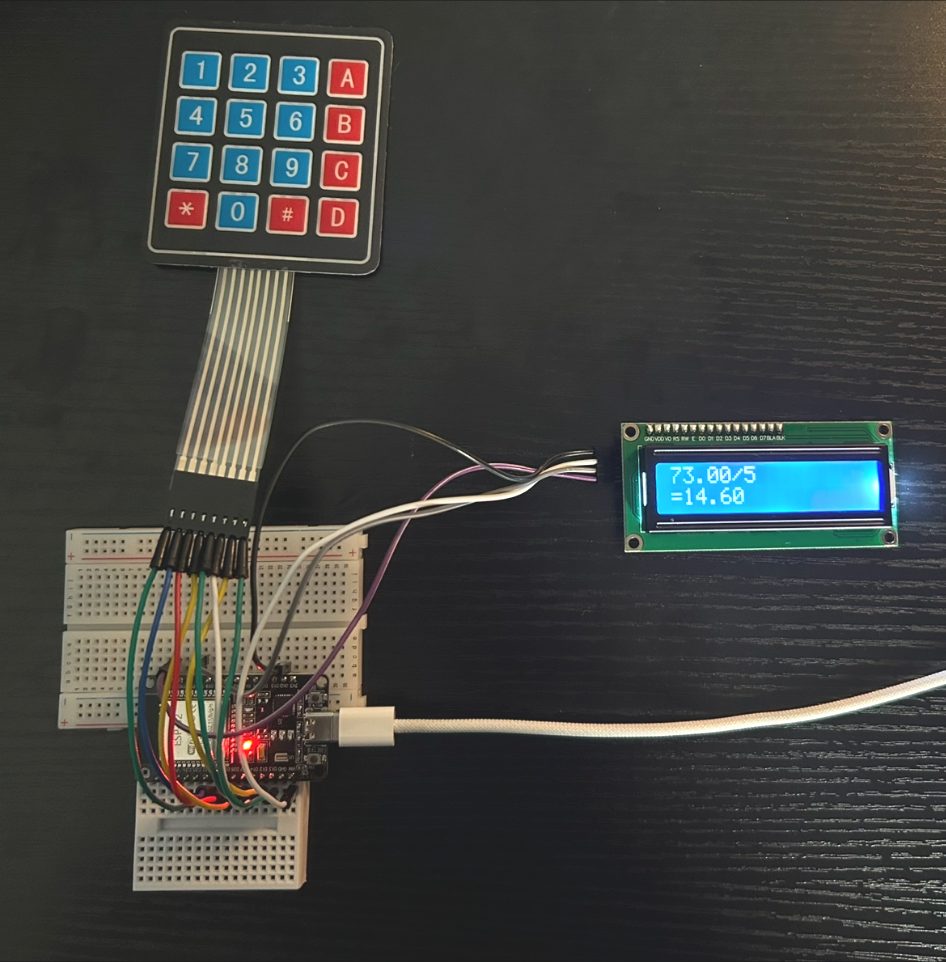
Architecture Migration: Re-engineered the system around an ESP32 and 4-pin LCD to minimize wiring complexity and footprint.
- 3
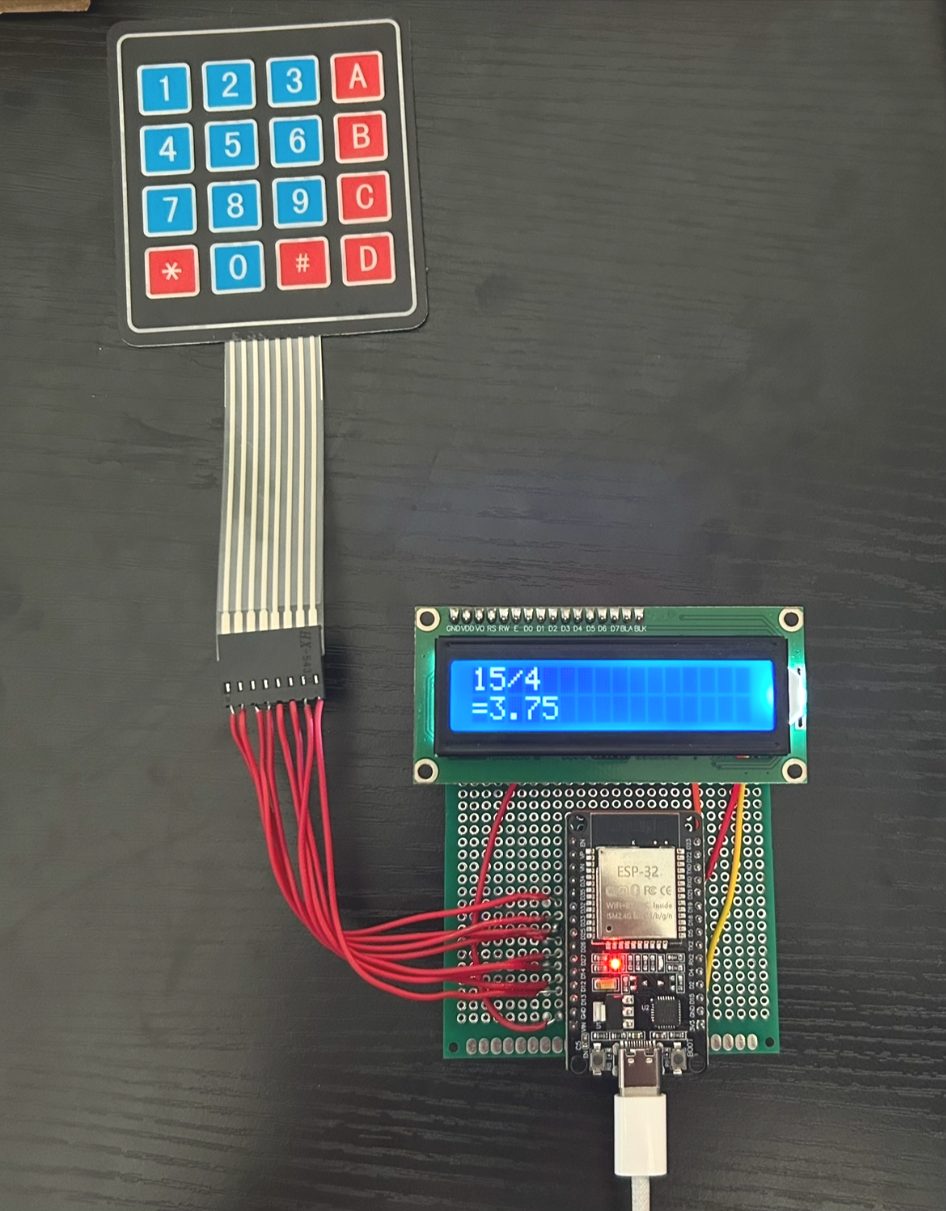
Hardware Validation: Built and tested an interim perf-board prototype to verify signal and power integrity.
- 4
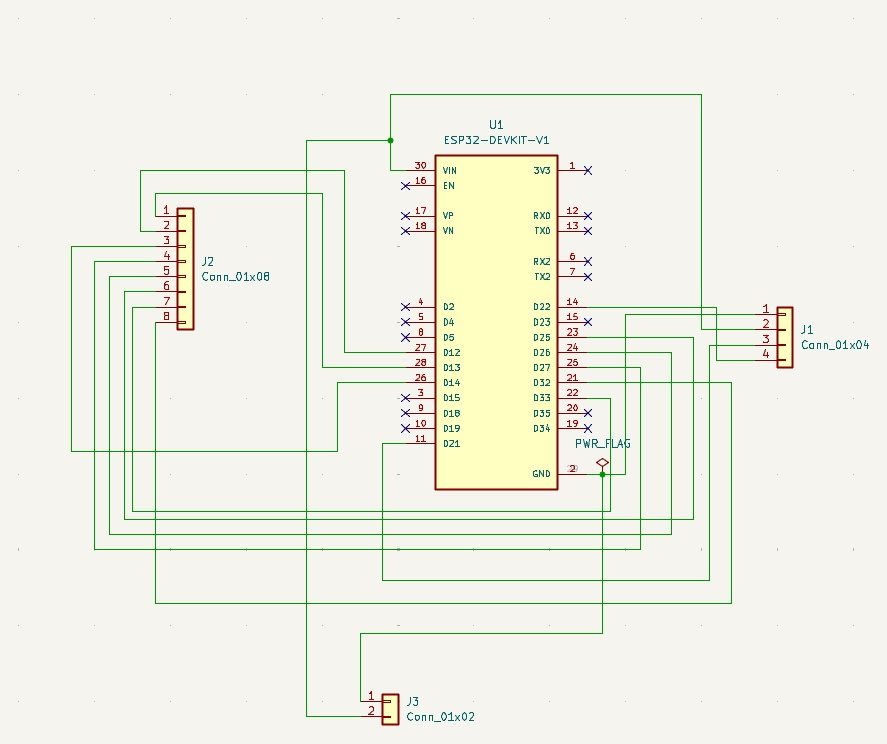
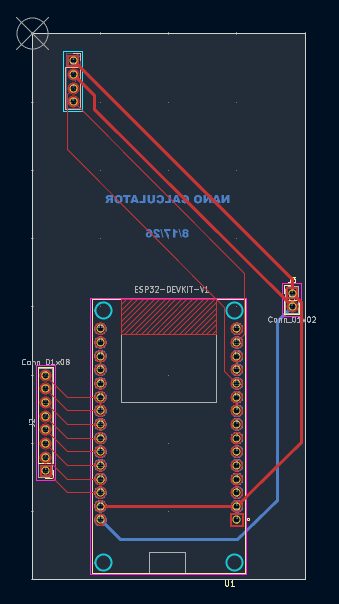
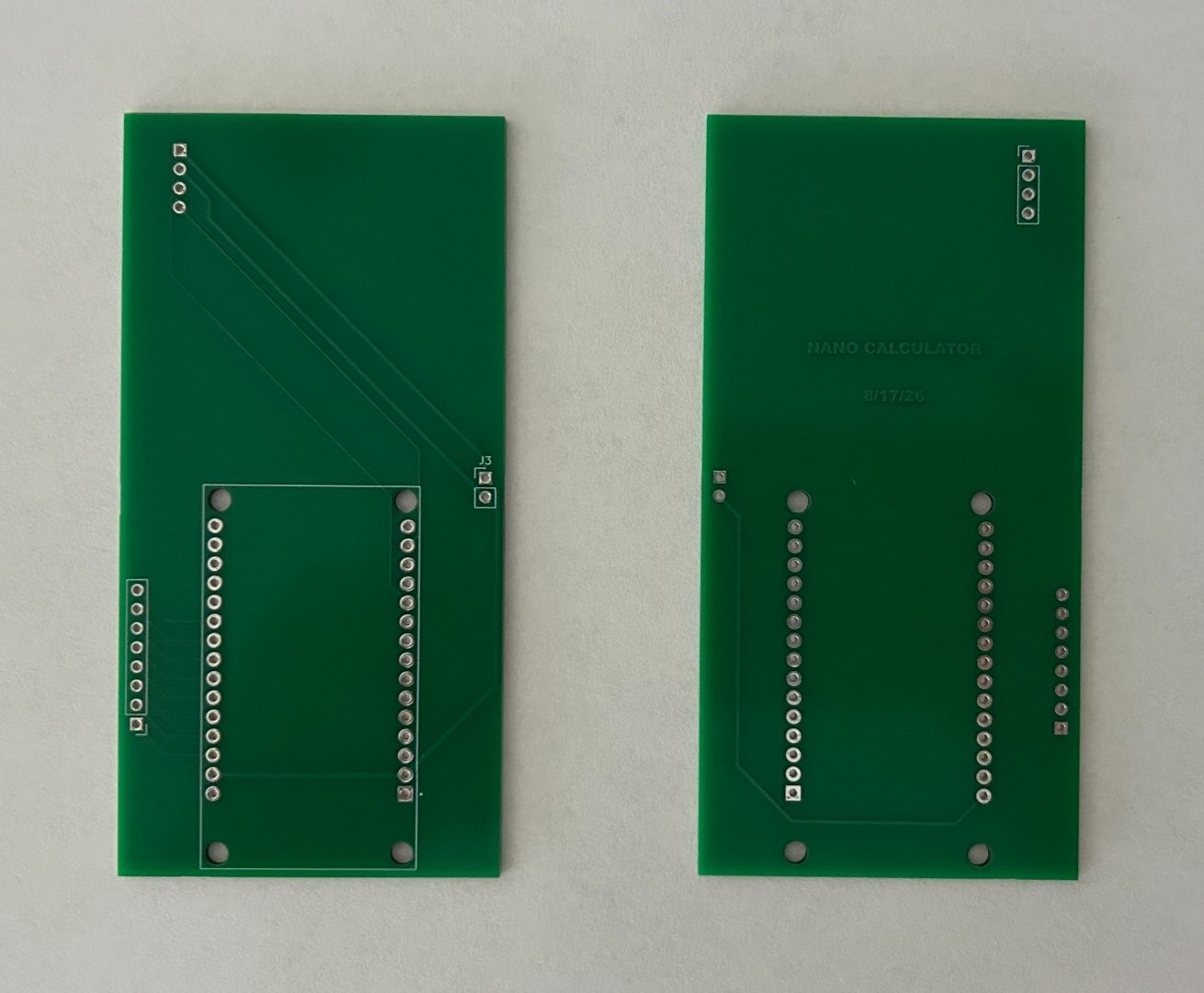
Custom PCB Design: Engineered a cost-optimized 2-layer schematic and PCB in KiCad.
- 5
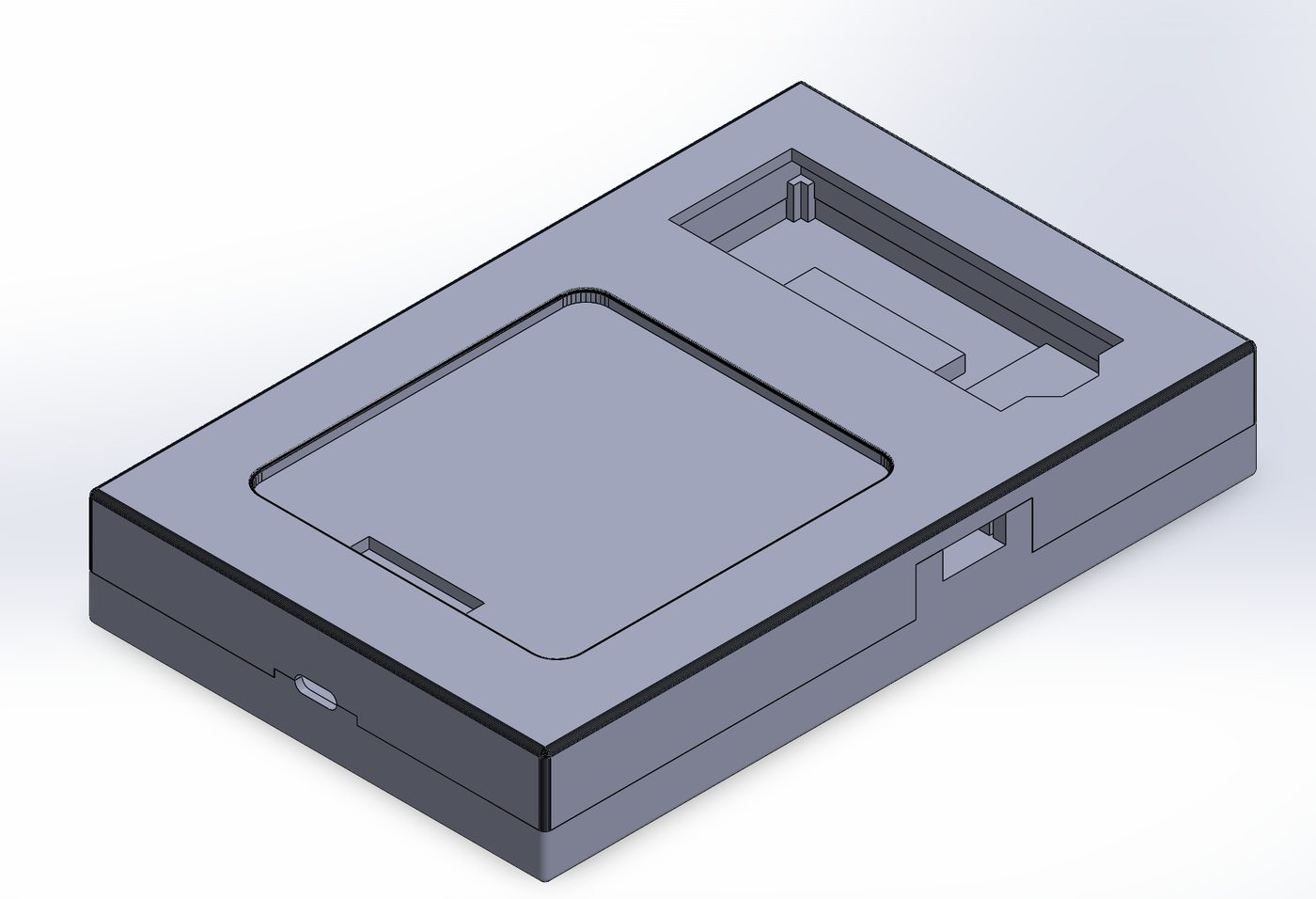
Mechanical Enclosure: Designed a compact snap-fit housing in SOLIDWORKS.
LOG — 02
Engineering Challenges & Solutions
Cross-Domain Integration
Unified custom electronics, C++ firmware, and a 3D-printed enclosure into a functional handheld unit.
Spatial Constraints
Optimized component placement and low-profile parts for the handheld form factor.
Rechargeable Power System
Integrated an MT3608 step-up module, 3.7V rechargeable battery, and TP4056 charger module.
Design for Manufacturability (DFM)
Designed for efficient assembly, durability, and cost-effective sourcing.
LOG — 03
Schematic, PCB & Enclosure